
 ehplabs
 inno supps
 precision nutrition
 optimum nutrition
 rule 1
 nexus sports nutrition
 faction labs
 legit
legit muscle nation
 qenda
qenda macro mike
 pranaon
 herbs of gold
 switch nutrition
 zombie labs
 endura
 fibre boost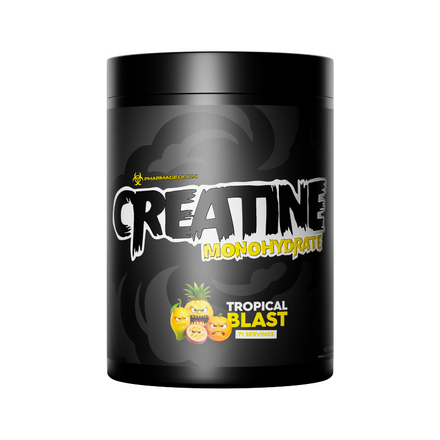
Most-researched supp on earth
CREATINE
Australia's biggest creatine range, powders, capsules, tablets and gummies from the brands athletes actually use. One 5g scoop a day for strength, power and faster between-set recovery.
Skip the scroll
Top Picks
Four ways in, picked by our team so you don't have to compare.
On sale
Pharmageddon
- Wild Berry or Tropical Blast
- Mixes smooth, actually tastes good
- 5g creatine monohydrate per serve
J
“Really good taste and an easy way to consume creatine as a nice drink.”
Jane J.· Verified
$59.95$54.95
Choose optionMost Popular
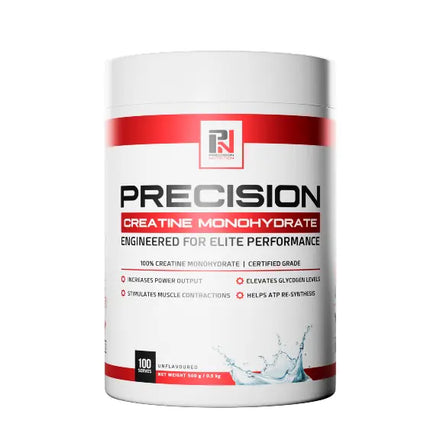
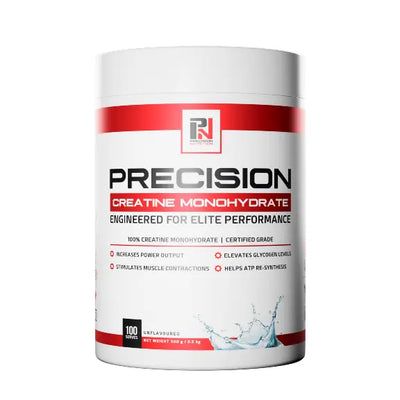
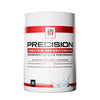
Precision Nutrition
- 5g pure creatine per serve
- 100% pure, unflavoured
- From $0.30 per serve
K
“I've tried a few, others are fine.... but this one is the BEST.”
Kerin K.· Verified
From$34.95
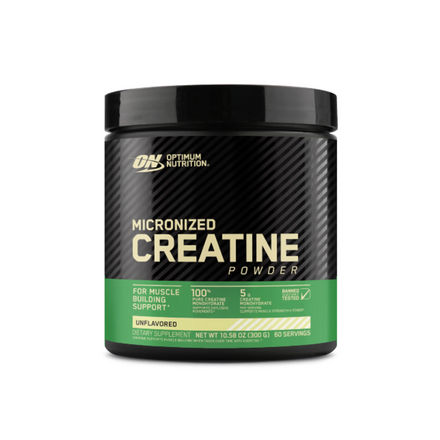
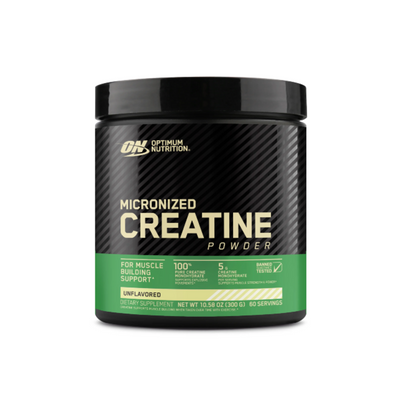
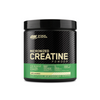
Choose optionOptimum Nutrition
- Micronised to mix smooth, no grit
- 5g of 99.9% pure creatine per serve
- 3 sizes, from 40c per serve
V
“Much like ON's Gold Standard range, their creatine is a great no-nonsense option.”
Verified buyer· Verified
From$34.95
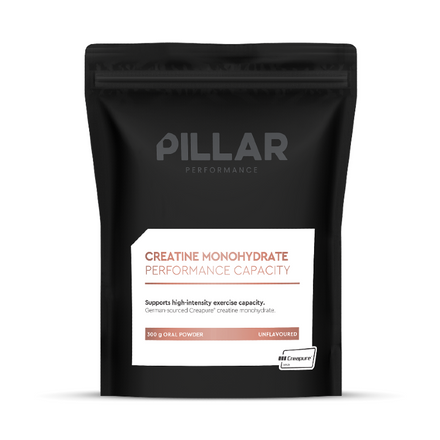
Choose optionPillar Performance
- Informed Sport Certified
- 5g per serve, unflavoured
- 100% German Creapure
R
“Dissolves well in liquid & has no distinct taste.”
Richard· Verified
$57.99
New to it?
Why Creatine
The 60-second version, no bro-science.
Strength & power
Supports strength, power and performance in repeated high-intensity efforts.
Muscle support
Helps support lean muscle when paired with resistance training.
Between-set recovery
Helps regenerate ATP, your fuel for the next set, sprint or effort.
Deeply researched
One of the most-studied sports supplements in the world, hundreds of trials deep.
5g dailyNo loading neededAny time of dayMixes with anything
The full range
All Creatine
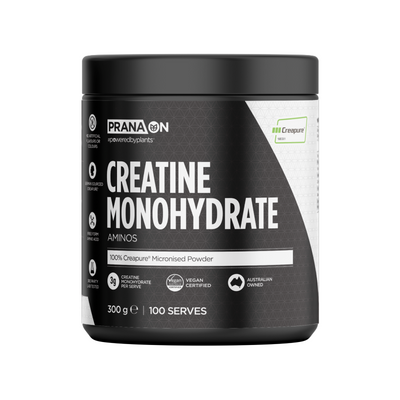
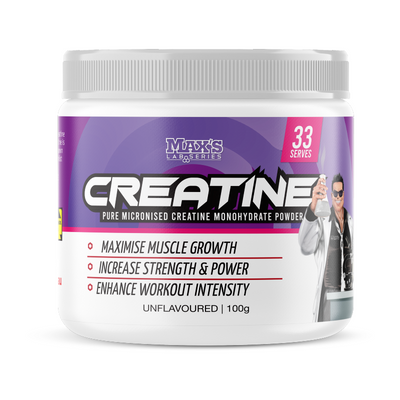
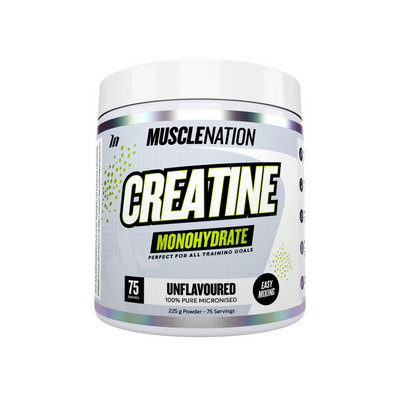
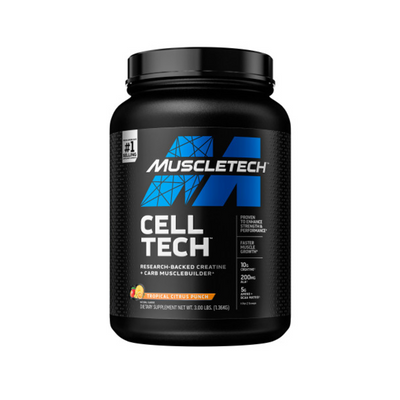
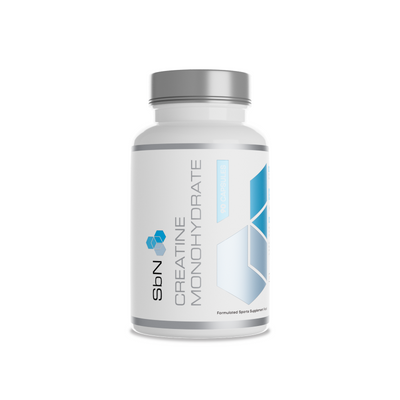
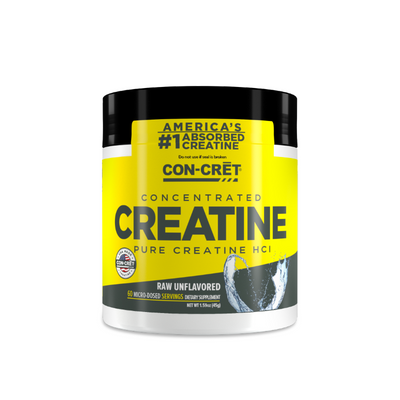
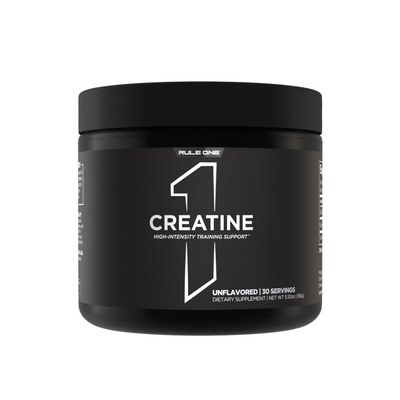
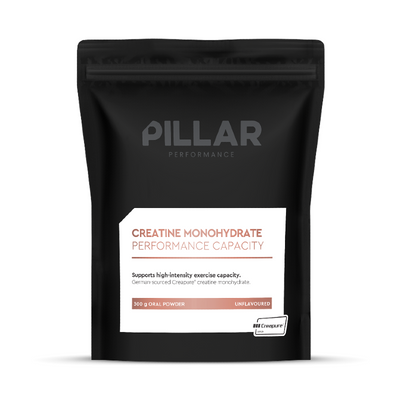
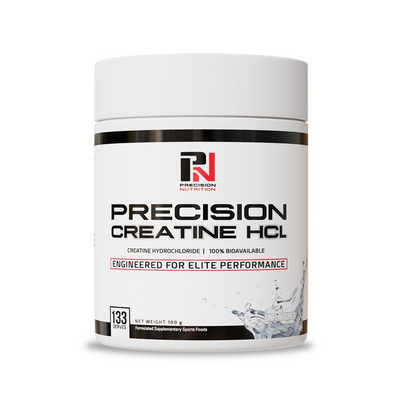
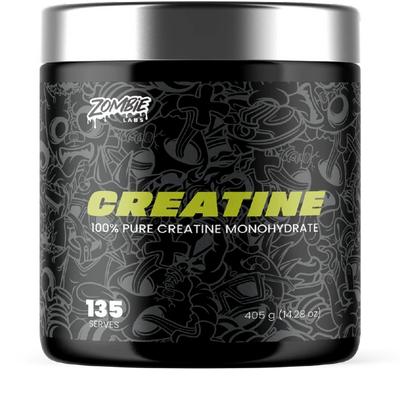
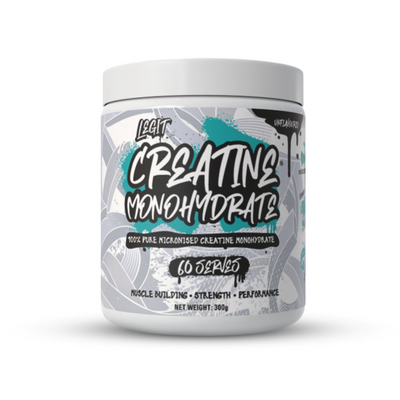
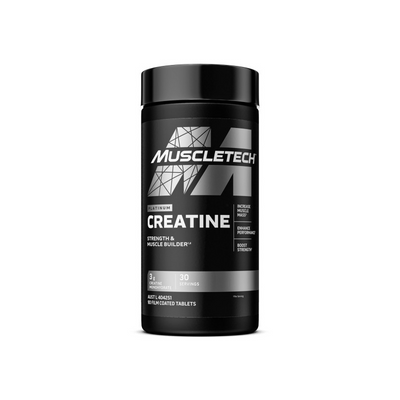
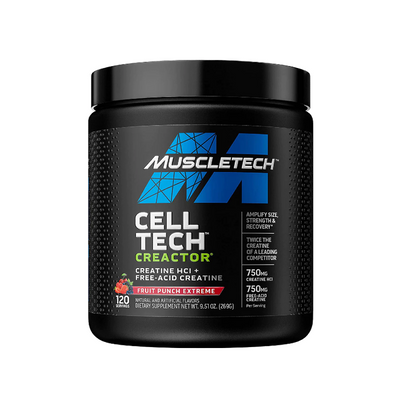
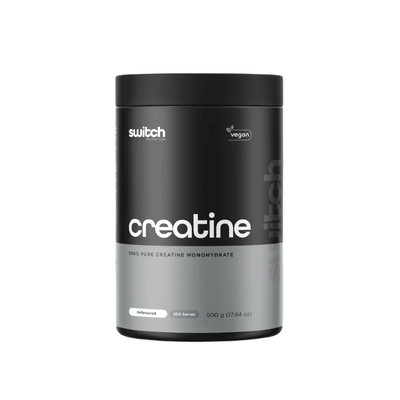
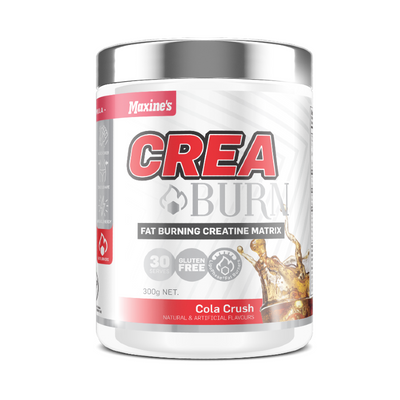
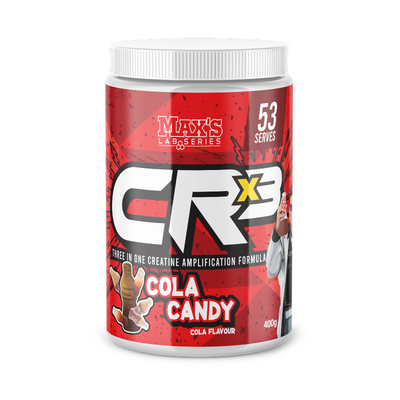
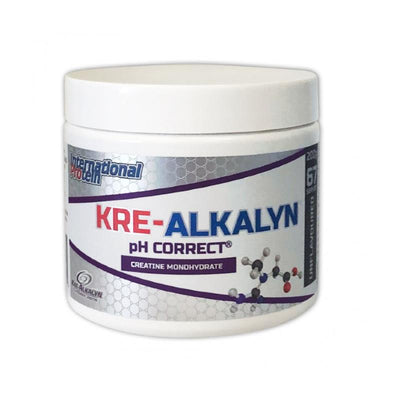
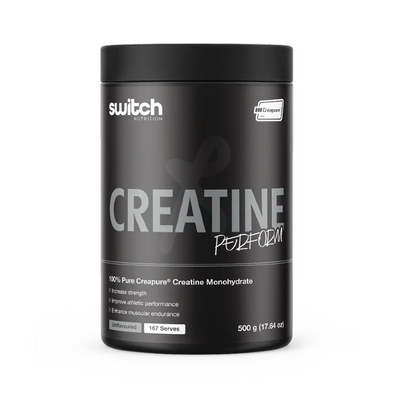
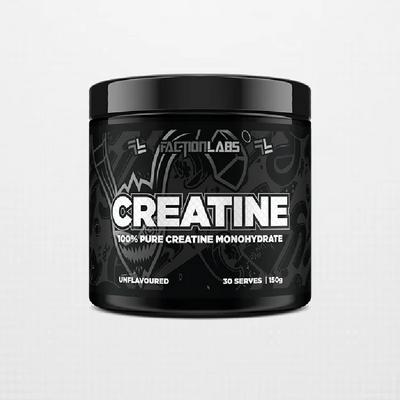
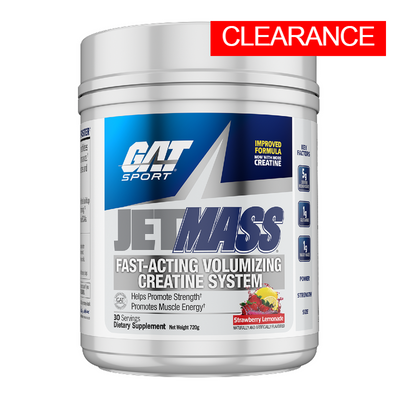
Decoder
Know Your Types
Four words you'll see on tubs, and what they actually mean.
Monohydrate The standard
The original and still the benchmark. This is the form behind nearly every creatine study ever run.
Pick it ifYou want proven results at the best price. This is all most people ever need.
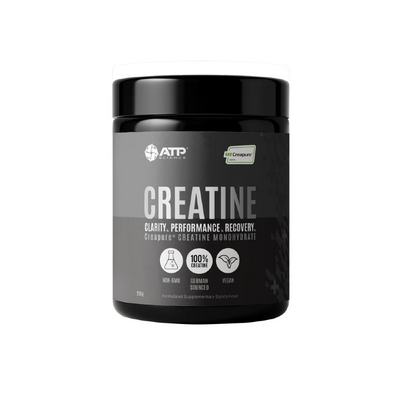
Creapure® Certified pure
Still monohydrate, but made in Germany to a patented purity standard and batch-tested. The tick of approval for fussy buyers and tested athletes.
Pick it ifYou want certified purity, or you compete in tested sport.
Micronised Mixes cleaner
Monohydrate milled into a much finer powder, so it dissolves faster with less grit at the bottom of the shaker.
Pick it ifTexture has put you off creatine before.
Blends All-in-one
Creatine plus supporting extras like HMB or betaine in a single scoop, one product instead of three.
Pick it ifYou'd rather keep the routine simple than fine-tune every ingredient.
Watch & shop
Creatine, In Real Stacks
The team talk through how they run it. Tap a product to add it to cart.
Verified reviews
Creatine Buyers Say
✓ Verified
Third tub of the Precision creatine. Dissolves clear, no grit, and the 500g works out way cheaper per serve than anywhere else I've found.
Jake T.Perth, WA
✓ Verified
Switched to the Creapure after reading up on purity. Noticed my top sets feel stronger a few weeks in. Fast delivery to Melbourne too.
Amelia H.Melbourne, VIC
✓ Verified
The gummies got me actually consistent with creatine for the first time ever. Taste like lollies, easy with my morning coffee.
Renee P.Brisbane, QLDWhat goes with creatine
Build Your Stack
Four things the research pairs with creatine, and why.
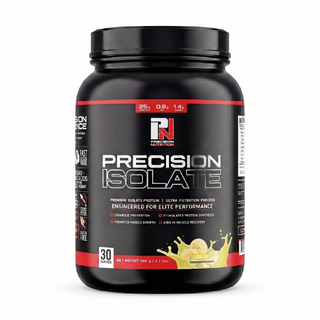
2025 Top Protein Powders
Creatine fuels the work; protein supplies the building blocks. Taken together they may also support how well your muscles hold on to creatine.
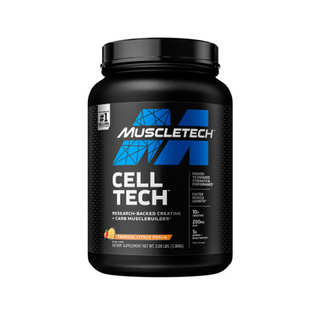
Carbohydrates
A carbohydrate source alongside creatine may support how much your muscles take up and store.
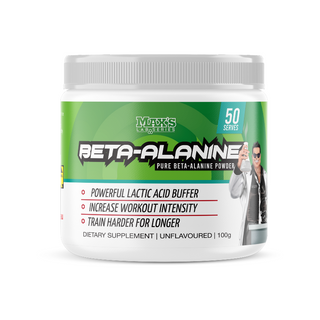
Beta Alanine
Works a different energy system to creatine and may support performance in repeated high-intensity efforts.
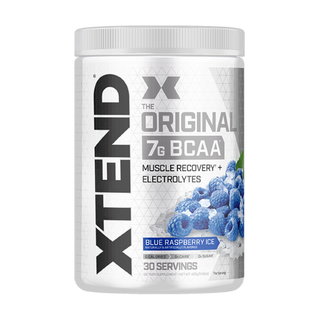
Electrolytes & Hydration
Creatine draws water into muscle cells, so keeping fluids and electrolytes topped up supports it day to day.
Always read the label and follow directions for use. Supplements support, not replace, a balanced diet and training. Speak with a health professional if you're unsure.
Straight answers
Creatine FAQs
What does creatine actually do?
Creatine helps your muscles rapidly regenerate ATP, the energy used for short, intense efforts. In practice that supports strength, power and performance across repeated sets and sprints.
Monohydrate vs Creapure, what's the difference?
They're the same molecule. Creapure is monohydrate manufactured in Germany under a patented, batch-tested purity standard, you're paying for certification and consistency, not a different effect.
Do the fancy types beat plain monohydrate?
No form has out-performed monohydrate in research. Pay more for certified purity (Creapure), easier mixing (micronised) or convenience (capsules, gummies, blends), not for bigger results.
How much should I take?
5g per day is the standard, research-backed dose. Consistency matters more than timing, same scoop, every day.
Do I need to do a loading phase?
No. Loading (20g/day for a week) just saturates your muscles faster. A steady 5g daily gets you to the same place in a few weeks.
When should I take it?
Whenever you'll actually remember it. Morning coffee, post-workout shake, before bed, daily consistency beats perfect timing.
Is creatine only for bodybuilders?
Not at all. It's used across strength sports, team sports, endurance training and general fitness. As with any supplement, read the label and speak with your health professional if you're unsure.
Buy creatine online in Australia
Supplement Mart stocks Australia's widest creatine range, pure monohydrate, Creapure, capsules, tablets and gummies, with fast dispatch from warehouses on both coasts and Click & Collect across 58 stores.
Not sure where to start? A plain 5g monohydrate is all most people ever need, and our Top Picks above sort the rest.